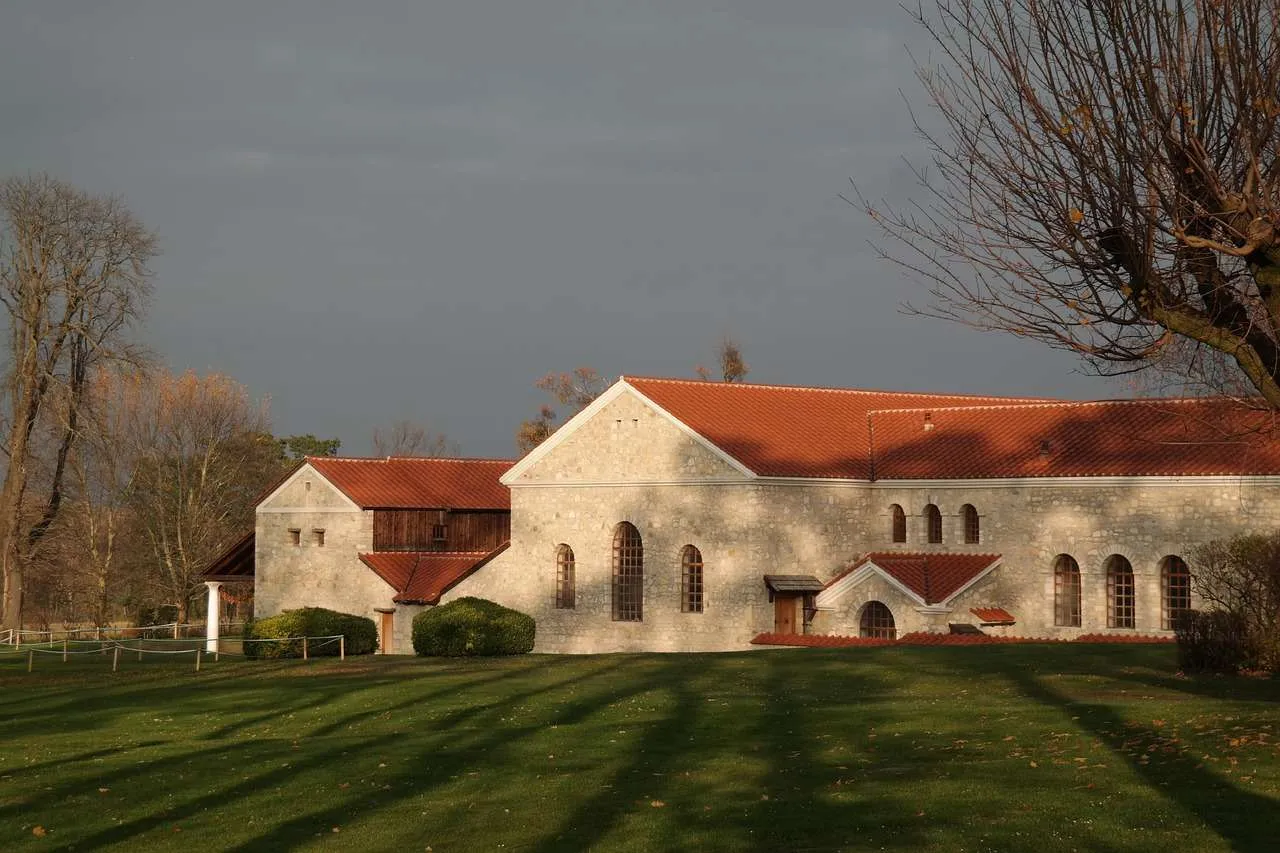
Reliable roofing protects homes from weather and contributes to energy efficiency. This article covers roofing and roof repairs, how to assess damage, cost ranges, maintenance tips, and how to choose a qualified contractor, aligning with EEAT standards.
Understanding Roofing Basics
A typical roof comprises shingles or tiles, underlayment, decking, flashing, and vents. The top layer shields from moisture, while the underlayment provides a secondary barrier. Proper ventilation and insulation boost longevity and energy efficiency.
Common Roofing Materials
- Asphalt shingles: affordable, common in residential roofs.
- Metal roofing: durable, weather-resistant, long life.
- Clay or concrete tiles: heavy but long-lasting; good insulation.
- Slate: premium, longevity, requires skilled installation.
When to Repair vs Replace
Some roof issues are repairable, others signal replacement. Factors include age, extent of damage, and structural integrity.
Assessing Damage
Cracked shingles, curling, leaks, damaged flashing, and ponding water indicate repairs or replacement may be needed. A licensed pro should inspect after major weather events.
Choosing a Roofing Contractor
Trustworthy professionals share credentials, insurance, warranties, and detailed estimates. Verify licenses with state authorities, check insurance certificates, and read customer references.
What to Ask
- Are you licensed and insured?
- Do you offer written estimates and warranties?
- Can you provide references and project photos?
Cost Considerations
Costs vary widely by material, roof size, pitch, and region. Here are rough ranges to guide planning:
| Scenario | What It Covers | Typical Cost Range |
|---|---|---|
| Minor roof repair | Shingle replacement, flashing reseal, leak fix | 200–600 |
| Major roof repair | Extensive shingle replacement, decking repair | 600–2500 |
| Roof replacement | Whole roof with new underlayment and vents | 5000–15000+ (varies by material) |
| Maintenance/safety upgrades | Inspection, cleaning, minor fixes | 100–500 |
Maintenance Tips to Extend Roof Life
Schedule annual inspections, clean gutters, trim overhanging branches, and address leaks promptly. Proper attic ventilation and insulation reduce wear and help prevent ice dams and moisture intrusion.
Comparison and Summary
Regular maintenance extends life and reduces emergencies. Repairing when appropriate avoids the cost and disruption of a full replacement, while a timely replacement safeguards your home’s structure and energy efficiency. Always work with a licensed contractor and document warranties.
Conclusion, by understanding roofing and roof repairs, you can prioritize proactive maintenance, make informed repair decisions, and select a trustworthy contractor to protect your home for years to come.